
Free Delivery Across The UK
7-Days Customer Support

UK Made Products

Vet-Approved
Free Delivery Across The UK
7-Days Customer Support
UK Made Products
Vet-Approved
How to Choose the Right Orthopaedic Cat Bed for Senior and Arthritic Cats
Orthopaedic Cat Beds are designed to cushion sore areas and spread weight more evenly so older cats can rest more deeply and stand up with less effort. Here you will see how to choose the right foam, height and size, where to place the bed, and what to do if your cat seems unsure about using it.
With well-chosen Orthopaedic Cat Beds for Older Cats, every nap has a better chance of feeling softer, warmer and less painful.
Signs your cat may need an Orthopaedic bed
Small changes in how your cat moves and rests can be early clues that their joints need more support. And the sooner you identify them, the better will your cat feel, and sleep.
Common signs that your cat may need an orthopaedic bed includes:
1
Slow to stand up after naps, with a pause before walking away.
2
Hesitates or refuses to jump onto usual furniture like the sofa, bed or windowsill
3
Walks stiffly or with a limp, especially just after resting or first thing in the morning.
4
Sleeping more, playing less, and seeming grumpier or sensitive when you touch certain areas.
5
Choosing hard floors, cold tiles or awkward corners instead of their existing beds or favourite spots.
These are common signs that Orthopaedic Cat Beds for Older Cats can make daily life more comfortable and restful.
Recognize your cat?
If some of these signs sound familiar, start by shortlisting a few Orthopaedic Cat Beds that match your cat’s mobility profile, then compare foam thickness, entry height and base grip before you decide.
What makes a cat bed, Orthopaedic?
Compared with regular beds, good orthopaedic designs usually offer:
- Structured foam that keeps its shape instead of flattening into hard, thin patches over time.
- More even support for shoulders, spine and hips, not lumpy filling that shifts to the edges.
- Lower, easier entry and a non-slip base that helps senior cats step in and out without sliding.
- Covers that stay smooth and supportive rather than baggy or over stuffed in one corner, often paired with Memory Foam Cat Beds that gently mould to the cat’s body.
Help! My older cat will not use the new Orthopaedic bed
Even the best Orthopaedic Cat Beds can sit unused if the change feels too sudden or strange.
1
Give it time
Older cats often need days or weeks to trust a new sleeping spot, so avoid lifting or placing them directly in the bed.
2
Use familiar scent
Add their existing blanket, part of the old bed or a worn T shirt so it smells like “their” place from day one.
3
Put it where they already sleep
Position the new bed exactly where they usually nap, then slowly retire the old bed once they start choosing the new one.
4
Tweak the design
If they seem unsure stepping in or out, try a lower entry, firmer base or a different angle so getting up feels easier.
5
Re check after a few weeks
If it still goes unused, ask whether it is too high, too hot, too soft or in the wrong spot, and adjust rather than giving up.
Match the bed to your cat’s mobility and habits
The right bed depends on how your cat moves and sleeps, not just their age.
Useful-Insight:
Different Orthopaedic Cat Beds for Older Cats work best for different mobility patterns, so it helps to match the design to your cat’s habits.
The careful climber
If your cat hesitates with jumps and sticks to low furniture, look for low profile Memory Foam Cat Beds with a cut out front and a non-slip base so they can step in and out without wobbling.
Stiff after sleep
If your cat stands up very slowly or walks stiffly after long naps, they will usually do better on firmer, thicker foam with enough room to stretch out fully without twisting sore joints.
The leaner
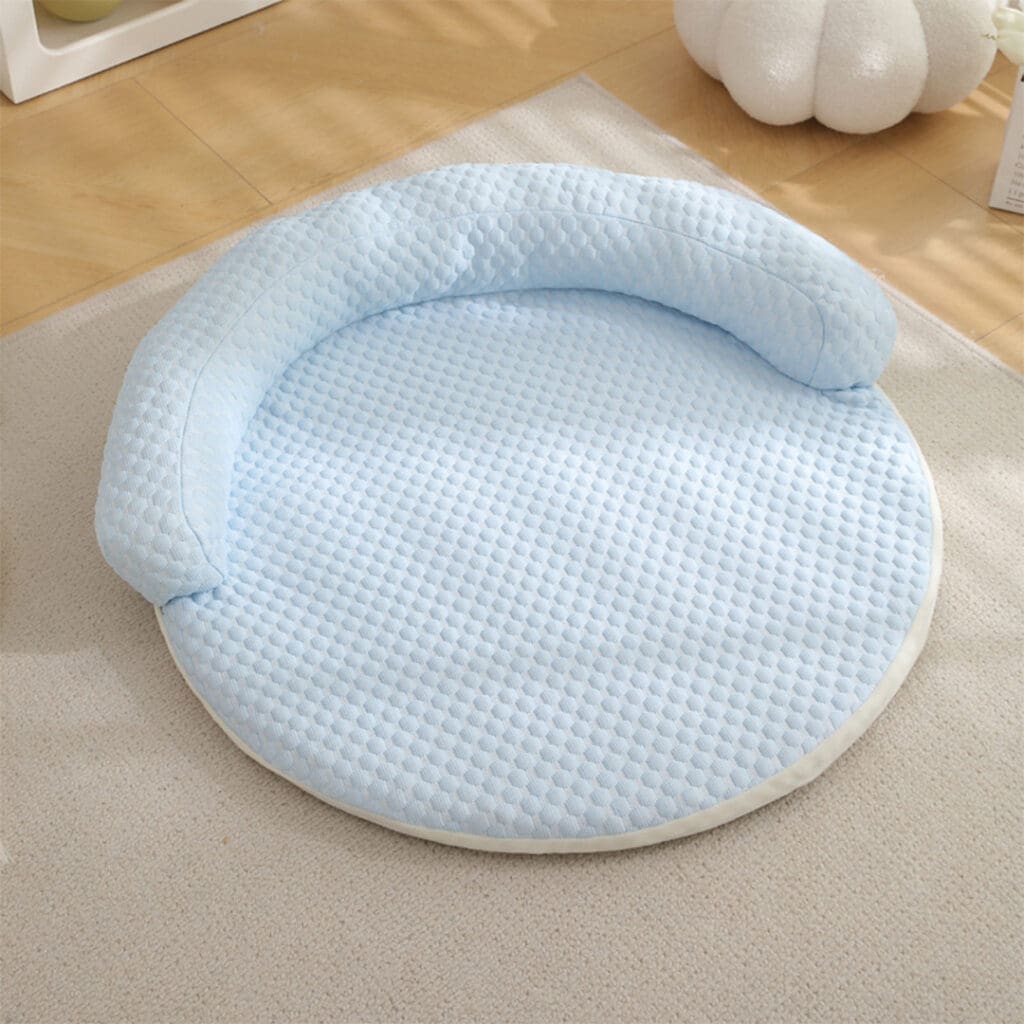
Cats that always rest with their back or head pressed against furniture or walls tend to prefer bolstered orthopaedic beds which support the neck and spine while still offering a flat centre to lie on.
Quick Size Guide
Rule of thumb
Round Pods
Tunnels
Teepees
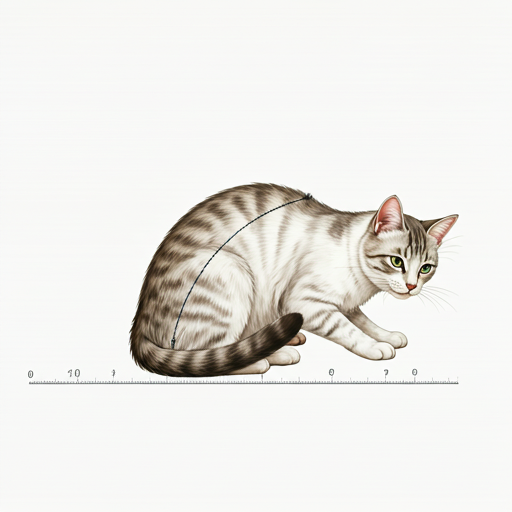
Nose to tail + extra room
Suits curling cats
Suits stretchers
Extra headroom (Sitters)
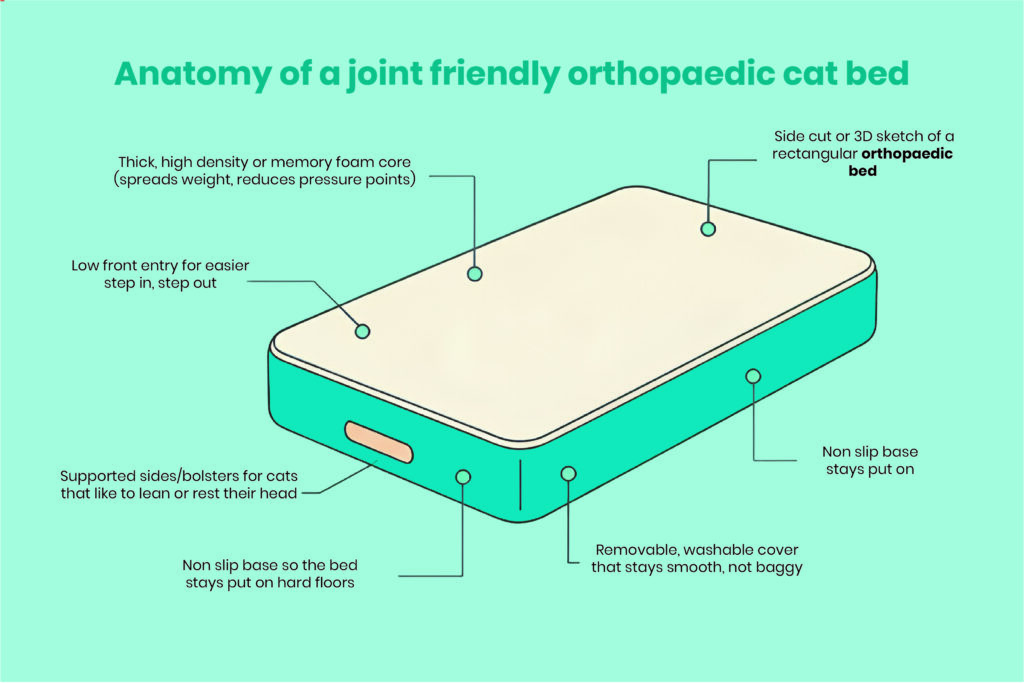
Anatomy of a joint‑friendly orthopaedic cat bed
1
Thick, high‑density or memory foam core (spreads weight, reduces pressure points)
2
Low front entry for easier step‑in, step‑out
3
Supported sides/bolsters for cats that like to lean or rest their head
4
Non‑slip base so the bed stays put on hard floors
5
Removable, washable cover that stays smooth, not baggy
Ready to act, now that you know what your cat
needs?
You now know what to look for in foam, height and design, so the next step is choosing Orthopaedic Cat Beds that match your cat’s age, weight and habits, and turning every nap into a softer, less painful rest.
Foam, depth and design details that actually help joints
Material and build decide how supportive a bed really is, especially for stiff or sore joints. For older cats, the goal is a surface that spreads their weight evenly so no single point takes all the pressure.
Foam and depth
Memory Foam Cat Beds with high density foam should gently give under your cat’s weight without letting them sink so far that it feels hard to change position.
As a rule of thumb, look for a single solid foam slab or clearly layered construction rather than a thin “orthopaedic” topper over loose filling that shifts and bunches up.
For most adult cats, a few inches of dense foam is a sensible minimum, while bigger cats or multi cat households often do better with a thicker, mattress style design sold as a Luxury Orthopaedic Cat Mattress.
Avoid very squashy beds that “bottom out” to the floor when you press down with your hand, because they will not give consistent joint support.
Height, base and edges
Low sides or a lowered front entry let senior cats step in and out without having to jump or lift stiff hind legs. A non-slip underside is important on hard floors so the bed does not skid when your cat braces or pushes up to stand.
The bed should be large enough for your cat to stretch and turn without hanging off the edge, but not so oversized that they slide away from the most supportive areas. Bolsters and raised edges can be very helpful for cats that like to rest their head or back against something, but for cats with very stiff hips, very high or rigid sides can become a barrier rather than a comfort.
Your checklist for buying orthopaedic cat beds online
When you Buy Supportive Cat Beds Online, ignore the lifestyle shots and go straight to the details that affect joint comfort. Check interior measurements (not just outer size), foam type and thickness, and whether the cover is durable, washable and shown with real cats using the bed.
In the reviews, look for patterns about foam flattening, slipping bases, noisy fabrics and size accuracy, and focus on feedback from owners of senior or arthritic cats. Where possible, choose Vet-Approved Cat Beds or designs that clearly reference vet-informed support, especially if you are considering a thicker Luxury Orthopaedic Cat Mattress for bigger or multiple cats.
For a shortcut, Snuggle Paws’ orthopaedic range uses high-density foam, easy-clean covers and non-slip bases, making it easier to pick Orthopaedic Cat Beds that actually support older joints.
Emma Lewis is a Canine & Feline Comfort Specialist, helping pets rest better at every life stage. She brings over eight years of experience working with pet parents, trainers and product designers to solve everyday comfort problems for both dogs and cats, from restless sleepers to seniors who avoid hard floors.
Snuggle Paws collection
Top Rated Cat Orthopaedic Beds
You now have everything you need to avoid guesswork and unused beds. Explore the Snuggle Paws collection of cave cat beds, choose the size and style that match your cat, and turn their next nap into a calm, cosy retreat.
£53.99 – £66.74Price range: £53.99 through £66.74
£63.74 – £74.99Price range: £63.74 through £74.99
£64.49
£65.24 – £74.99Price range: £65.24 through £74.99