Delivery

Free Delivery Across The UK

phone01

7-Days Customer Support

uk made products

UK Made Products

Vet Approved

Vet-Approved

How to Choose the Best Self-Warming Cat Bed for Your
Feline

If your cat spends winter glued to radiators, laptop vents or your lap, Self-Warming Cat Beds can add safe, extra cosiness without plugs or wires. Below we explain how self-heating layers and insulation work, when they are enough on their own, and when older, underweight or very cold indoor cats may still need a true heated bed.


We are catering to UK cat parents with indoor cats, seniors or skinny felines in draughty homes who want warmth without guesswork. You will see how to choose the right materials, size and placement, compare self-warming to electric options, and avoid buying a “cosy” bed your cat never actually uses.

What is a self‑warming cat bed and how does it work?

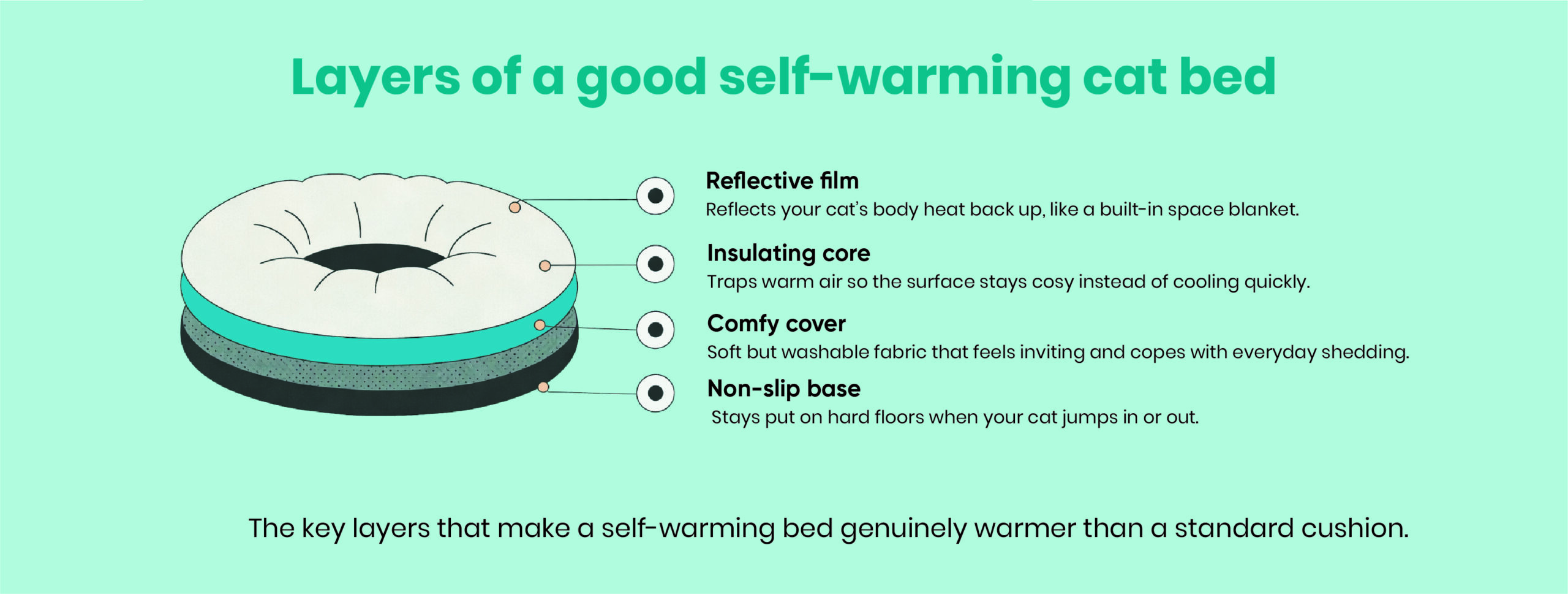
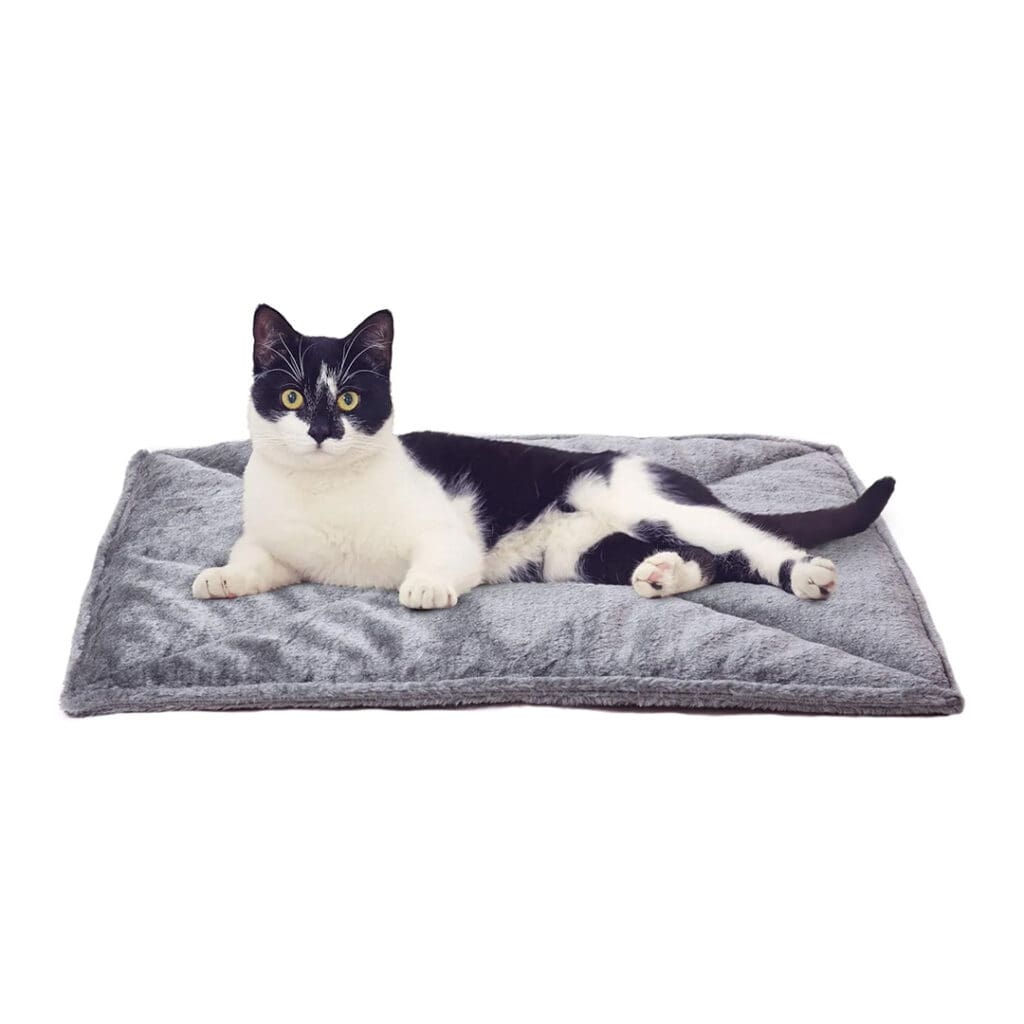
Self-Warming Cat Beds are padded mats or beds with hidden thermal layers that bounce your cat’s own body heat back to them, creating a gently warmer surface without plugs, batteries or gels. Inside, a thin reflective layer (often Mylar or another metalised film) works like a built‑in space blanket, reflecting a high percentage of radiated body heat back towards your cat instead of letting it disappear into the room. Around this sits an insulation layer made from foam or fibre that traps warm air, while the outer cover, ‘plush, fleece or similar’, gives a soft, cosy finish that feels like any other bed on top. ​

Compared with Heated Cat Beds for Indoor Cats, these self‑heating beds amplify existing body warmth rather than generating their own heat, so they feel more like a persistent warm patch than a hot water bottle. Plug‑in beds use low‑wattage heating elements and thermostats to stay a little warmer than the room itself, which can help some seniors or very cold indoor spaces, but they bring cords and electrical parts that cautious owners may prefer to avoid.

Start with your cat and your home, not just the product photos

The right bed depends on how your cat sleeps, their age and health, and how cold your home actually gets, not just which design looks cutest on the page. Watch where they nap now, how often they seek heat, and whether you are dealing with a typical indoor cat, a senior, or a pet spending time in colder spaces.

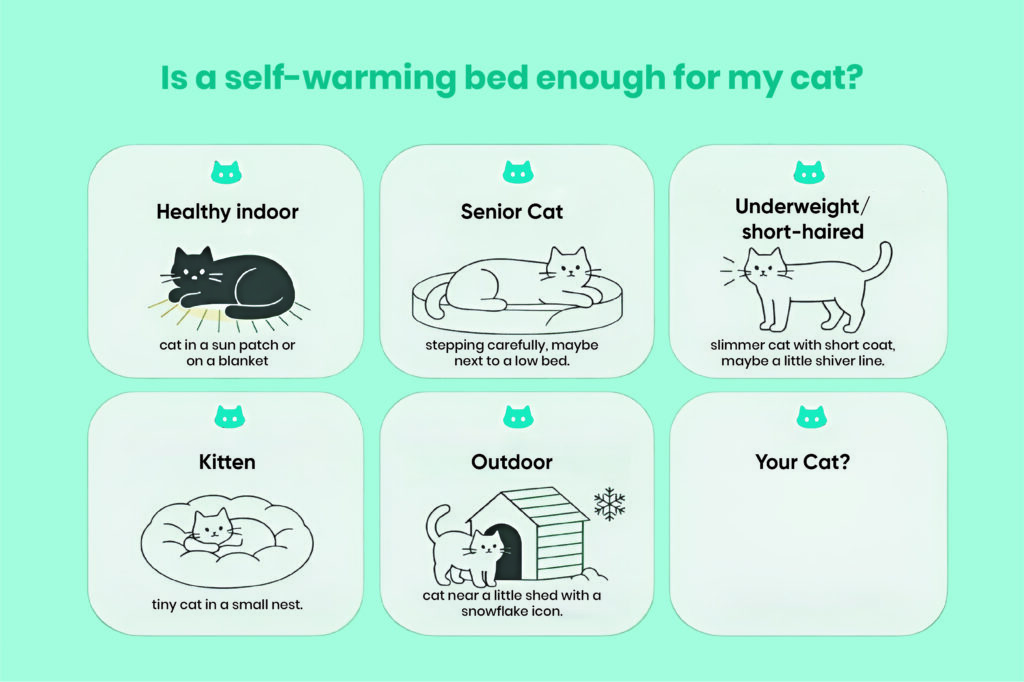
Healthy indoor heat: Self‑warming? Yes

Adult indoor cats that already choose sunny spots, blankets and radiators usually do brilliantly with Self-Warming Cat Beds, especially thermal beds or caves with a reflective base.

Senior or arthritic indoor cat: Self‑warming? Maybe

If your cat is slower to stand or stiff after naps, a self‑warming mat in their favourite spot can take the edge off, but in very cold rooms they may do better with Self-Heating Cat Beds for Winter or other indoor heated beds and home‑warming tweaks.

If your cat is slower to stand or stiff after naps, a self‑warming mat in their favourite spot can take the edge off, but in very cold rooms they may do better with Self-Heating Cat Beds for Winter or other indoor heated beds and home‑warming tweaks.

Underweight, recovering or very short‑haired cat: Self‑warming? Maybe/needs more heat

Cats that struggle to maintain body heat may not generate enough warmth to fully charge a thermal bed in chilly rooms, so self‑warming mats can help in moderate conditions but true heated beds or extra insulation are often kinder choices.

Kitten or small cat in a cool home: Self‑warming? Yes, with care

Self‑warming is often safer than plug‑in options if supervision is limited, but the bed’s size and rim height should keep most of their body in contact with the warm surface rather than floating on big, cold edges.

Outdoor / shed / garage cat: Self‑warming? Needs more heat

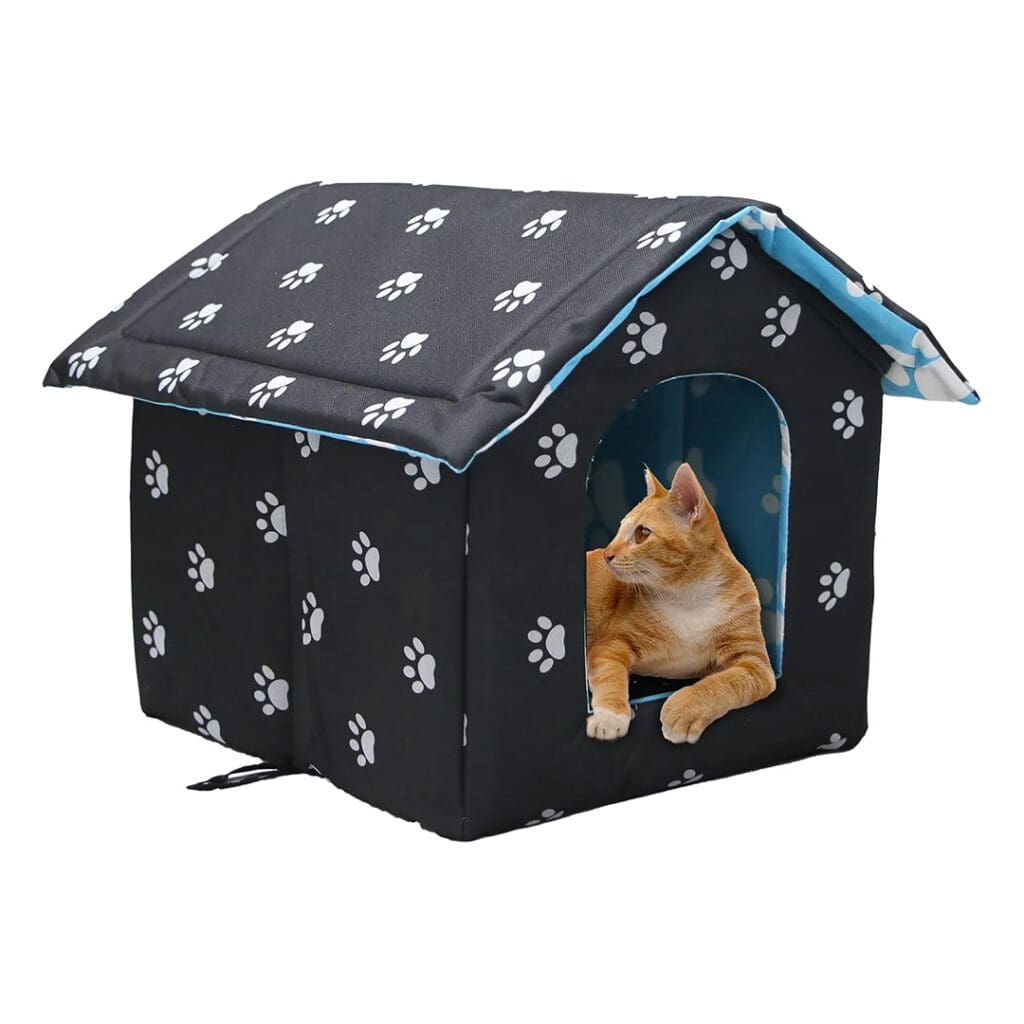
In very cold sheds or garages, self‑warming alone is usually not enough, so focus on insulated shelters plus appropriate heated pads or protected indoor heated beds rather than relying on a thin thermal mat.


Ready to act, now that you know what your cat
needs?

Browse our range of self warming beds for cats, with options filtered by size, behaviour and home set-up so you can shortlist
in a few clicks.

Quick guide to when a self-warming bed is sufficient and when your cat may need extra heat or insulation.

04 warming cat bed 02.jpg

Layers, materials and insulation: what actually makes a bed warm?

In a self‑warming bed, a thin reflective layer acts like a silent space blanket, bouncing your cat’s body heat back towards them instead of letting it sink into the floor. That warmth is then held in place by an insulating core of foam or fibre, which traps tiny pockets of air so the surface feels consistently cosy rather than warm in spots and cold around the edges. .

On top, the cover fabric shapes how it feels in daily use:

  • Plush or shag is very snug but slower to dry
  • while fleece or microfibre is softer, faster‑drying and easier for regular washing

When you are comparing Thermal Cat Beds Online, truly Warm Cat Beds with Reflective Layer will describe the inner film and padding clearly, not just rely on a vague “thermal” label.

Size, shape and placement: making the warmth actually reach your cat ​

Even the best Self-Warming Cat Beds feel disappointing if most of your cat’s body is not actually on the warm panel.

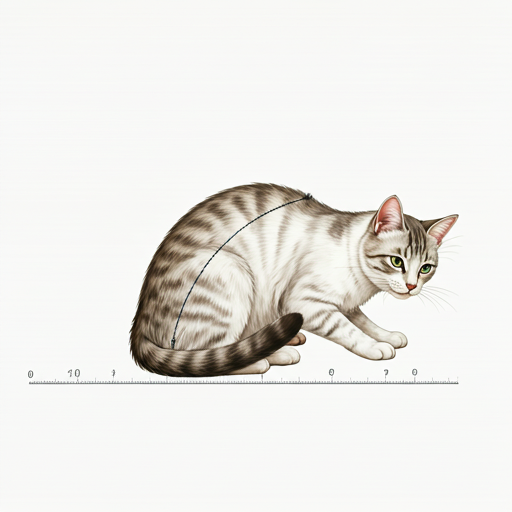
Check inner, not just outer, measurements: small mats under big cats feel lukewarm, while curlers often prefer snug nest‑style beds and sprawlers need a larger flat pad so hips and shoulders stay on the thermal area.


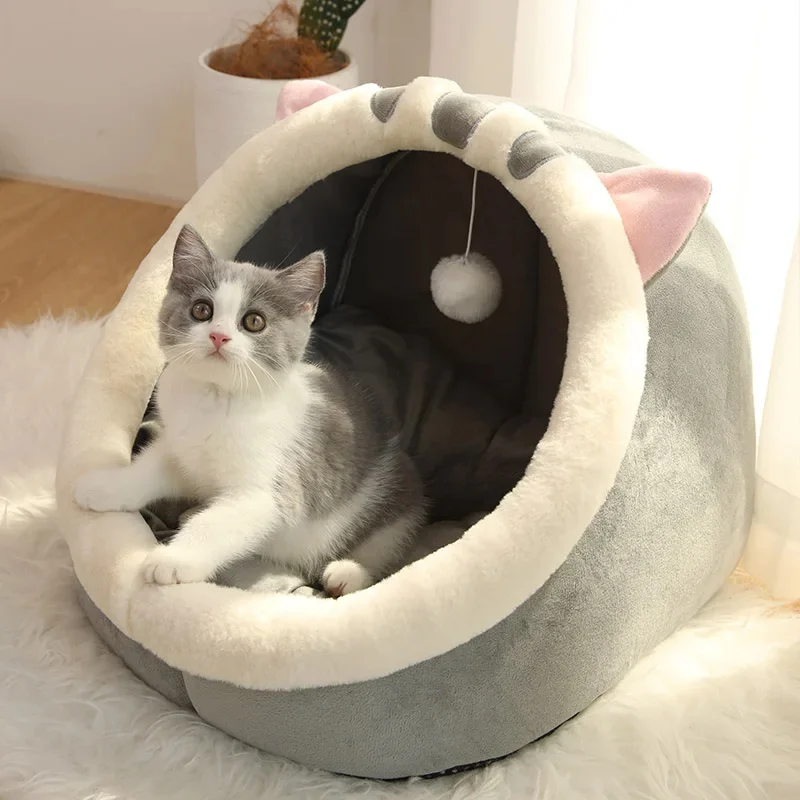
Shape matters too; anxious or heat‑seeking cats often stay warmer in cave or hooded beds that trap heat around a self‑warming base.

Finally, place the bed where your cat already naps, away from draughty doors or bare tiles; on cold floors, add a rug or mat underneath and keep it near, but not touching, radiators or sunny windows.

Quick Size Guide

Rule of thumb

Round Pods

Tunnels

Teepees

Nose to tail + extra room

Suits curling cats

Suits stretchers

Extra headroom (Sitters)

unnamed

Recognize your cat?

Browse our curated selection of caves designed specifically for
these personality types.

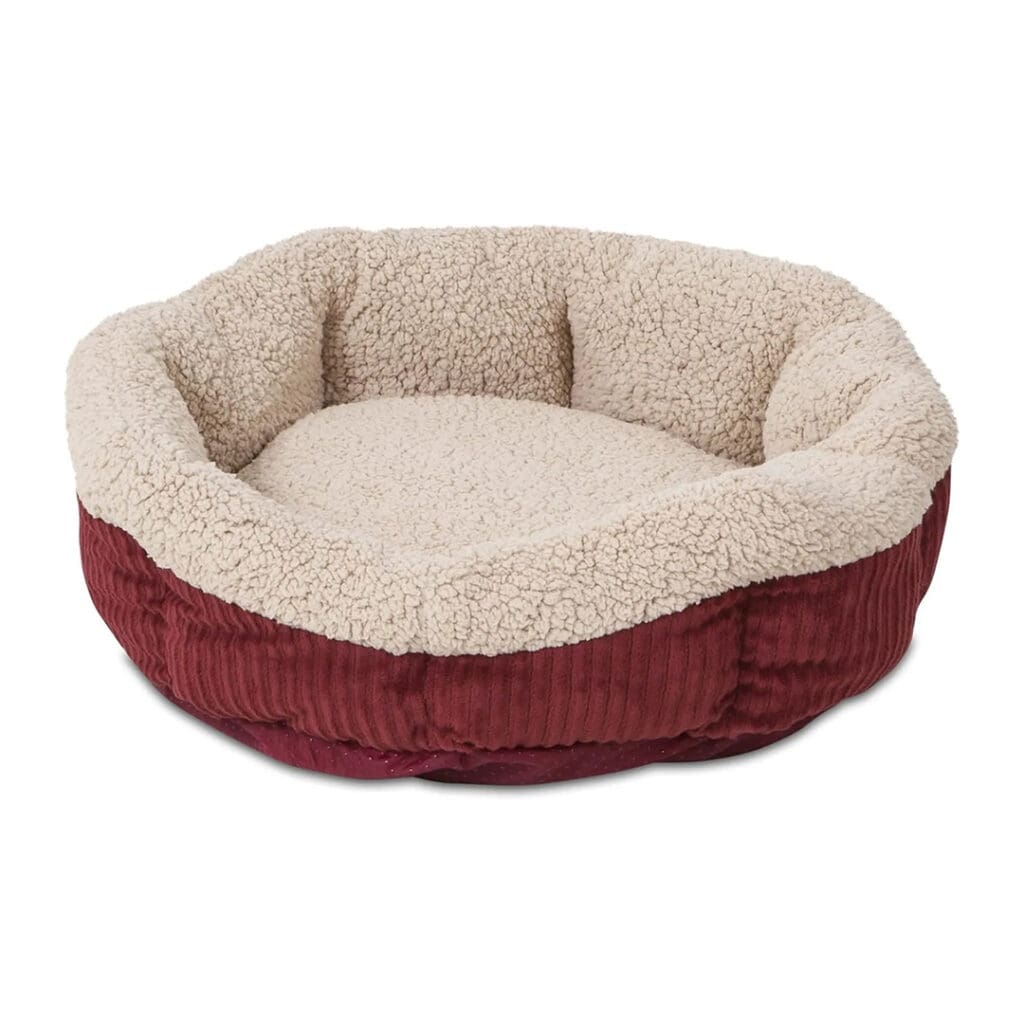
Anatomy of a good donut cat bed

04 warming cat bed 01.jpg

The key layers that make a self-warming bed genuinely warmer than a standard cushion. ​

Help! My cat ignores the new self‑warming bed

It is frustrating when a bed looks perfect online and your cat still chooses the cold floor instead. Often the issue is not the self‑warming bed itself but the unfamiliar texture, crinkly sound from the reflective layer, or strong “new” smell that does not yet feel safe or familiar.
5 gentle ways to help your cat warm up to their new bed

1

Give it time and avoid forcing

Cats often need days or even weeks to trust new sleeping spots, so let the bed stay available without placing or trapping them in it, which can create negative associations. ​

2

Use scent transfer and layering

Add a blanket, worn T‑shirt or part of their old bed on top so it smells like “home” rather than factory packaging, and consider a little catnip or a few treats if they usually respond well.

3

Move it to a proven nap spot

Shift the bed into a place they already use; the end of the sofa, by your bed, their usual chair, rather than trying to create a brand‑new sleeping zone in an empty corner.

4

Soften any crinkle or texture issues

If the reflective layer feels noisy or strange under their paws, tuck a thin blanket or towel over the base so they still get the warmth without the full sound or texture. ​

5

Reassess the style and warmth level

If a sprawler keeps hanging off the sides, an anxious cat avoids open pads, or your home is genuinely cold, they may simply need a different shape, more enclosed design, or a true heated bed instead.

​ ​

Your checklist to buy self‑warming cat beds online

When you compare Thermal Cat Beds Online or self-warming beds, use a simple checklist so the bed you pick actually feels warmer and safer in everyday use, not just cosy in the photos.​
  • Size & fit: Check inner measurements and match them to your cat’s curled length so most of their body rests on the warm panel, not the cold edges.
  • Layers & materials: Look for a clearly described reflective layer plus decent insulation, not just “thermal” as a buzzword, so you know there is real heat‑reflecting and heat‑holding structure inside.
  • Cover and stitching: Choose a washable, hair‑friendly cover with seams that can cope with regular laundering and everyday scratching without twisting or collapsing.
  • Base & safety: Prioritise a non‑slip underside for hard floors, no loose wires or parts, and visible quality stitching so the bed stays stable and safe during daily use.
  • Real‑world reviews: Scan reviews for repeated comments about “warmer than a normal bed” versus “couldn’t feel a difference”, as well as notes on crinkling noises, flattening or cats ignoring the bed after a few days.
Authot Image 2

Emma Lewis is a Canine & Feline Comfort Specialist, helping pets rest better at every life stage. She brings over eight years of experience working with pet parents, trainers and product designers to solve everyday comfort problems for both dogs and cats, from restless sleepers to seniors who avoid hard floors.

Snuggle Paws collection

Top Rated Self Warming Cat  Beds

You now have everything you need to avoid guesswork and unused beds. Explore the Snuggle Paws collection of cave cat beds, choose the size and style that match your cat, and turn their next nap into a calm, cosy retreat.

★★★★★
Price range: £57.99 through £79.99
Price range: £43.49 through £59.99
★★★★★
£59.99
£44.99
★★★★★
£54.99
£41.24
★★★★★
£61.99
£46.49