Expert opinion· Cat Comfort
Veterinarians Recommend Self-Warming Cat Beds for Senior and Short-Haired Cats
Older or short‑haired cat glued to the radiator or shivering on the floor? Pet behaviour specialist James Carter sees the same winter worries from cat owners every year: older and short‑haired cats sleeping on cold floors, seeking radiators, or shivering on draughty window ledges.
Heated MatsA study shows gentle heat can soothe arthritic joints in cats, per veterinary findings.
In this guide, he explains when Self-Warming Cat Beds genuinely help those cats sleep more comfortably, and when a different setup is actually kinder. Many vets prefer “warm, not hot” solutions for senior and indoor cats, favouring beds that gently reflect their own body heat rather than relying solely on plug‑in heaters. In most homes James visits, the cats that truly benefit from Self-Heating Cat Beds for Winter have three things in common: they are older, have finer coats, and live mostly indoors.
How I decide if your cat actually needs extra warmth
When I’m asked about warmer beds, I don’t start with fabrics, I start with your cat’s age, coat and daily habits.
- If your senior cat moves stiffly, avoids cold floors and spends most of the day glued to radiators or your lap, that tells me gentle extra warmth is likely to make their naps more comfortable.
- Short‑haired or low‑body‑fat cats that always pick the toastiest spots in the house such as sunny patches, boiler cupboards, the back of the sofa, are another group I take seriously when we’re talking about Self-Warming Cat Beds.
- I also look at the home itself: indoor‑only cats in cool or draughty spaces usually benefit more than long‑haired cats who actively seek tiles or sinks to cool down.
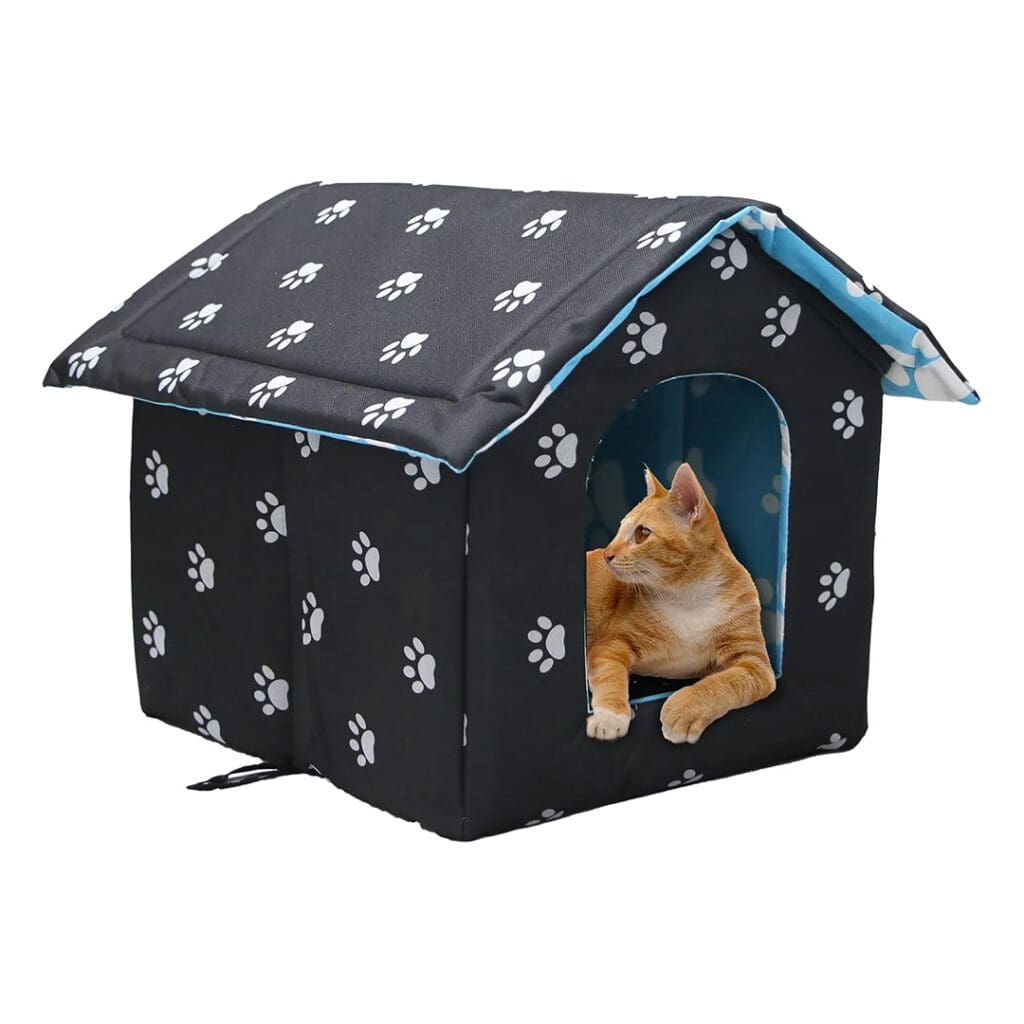
For most families, I recommend Self-Warming Cat Beds or other non‑electric options first, especially when the cat clearly seeks warmth but can still move around freely and choose cooler alternatives. If a cat is collapsing into deep sleep in genuinely cold, unsafe spaces or struggling to keep warm at all, that is a red flag to talk to your vet and think beyond simple Heated Cat Beds for Indoor Cats you might find while browsing Thermal Cat Beds Online.
When a self-warming bed is my first choice (not a plug-in heater)
From James’s perspective, most families do better starting with self‑warming, not wires. Reflective Warm Cat Beds with Reflective Layer are usually simpler and safer for typical indoor homes in moderate UK winters, especially for healthy adults and seniors who just need a gentle boost. In very cold houses or with frail cats that struggle to keep warm, he won’t stop at Self-Heating Cat Beds for Winter or other Heated Cat Beds for Indoor Cats alone.
Where James tells owners to put warm beds
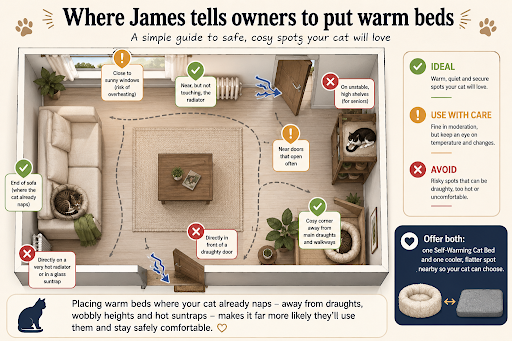
Placing warm beds where your cat already naps – away from draughts, wobbly heights and hot suntraps – makes it far more likely they’ll use them and stay safely comfortable.
How self‑warming and self‑heating cat beds actually work
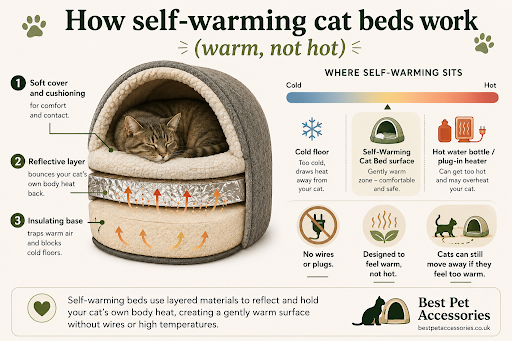
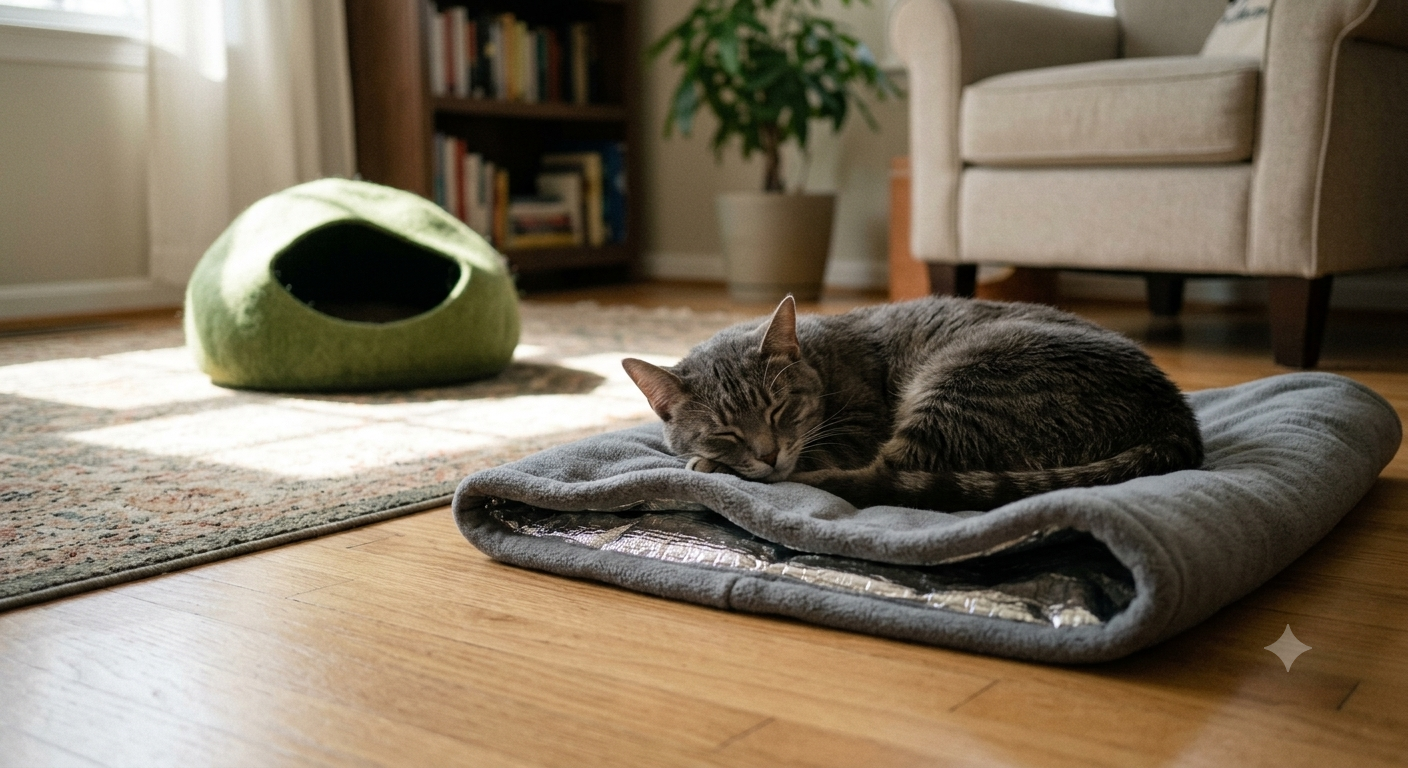
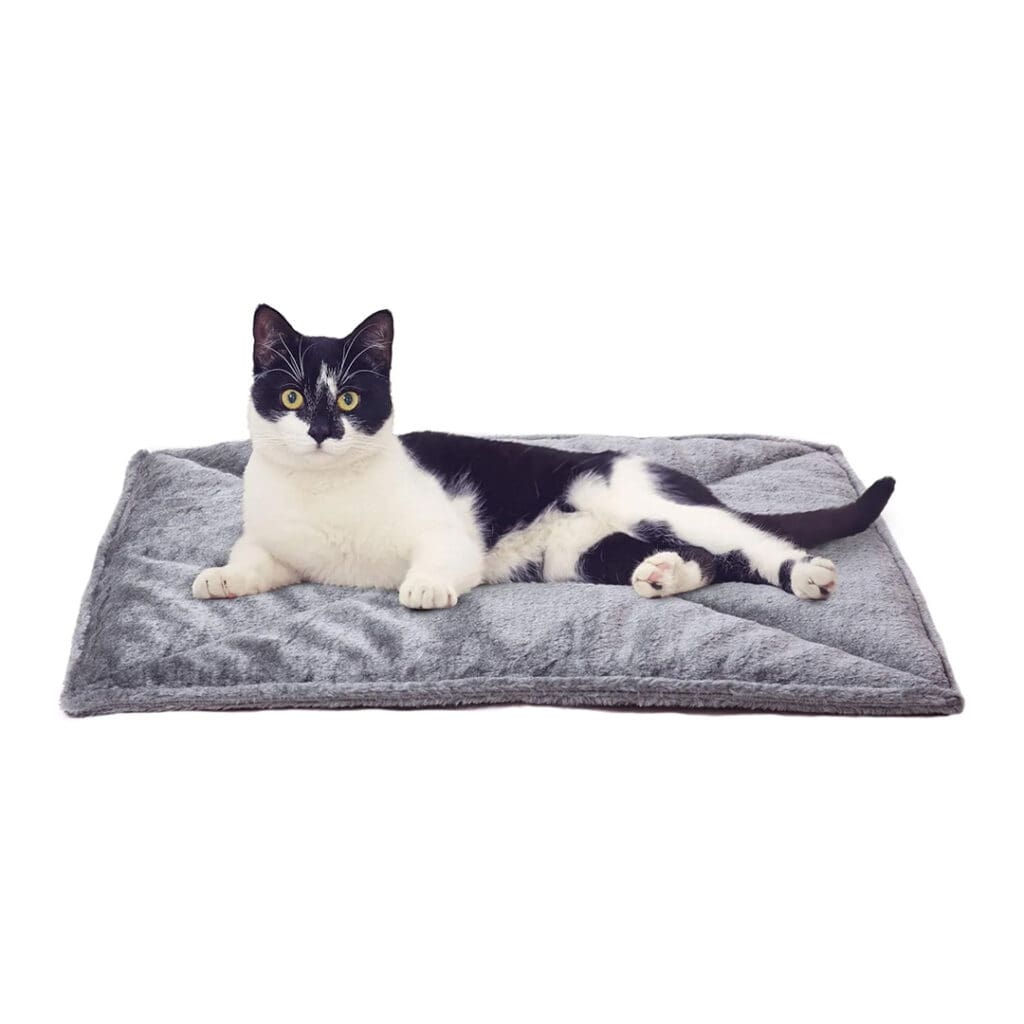
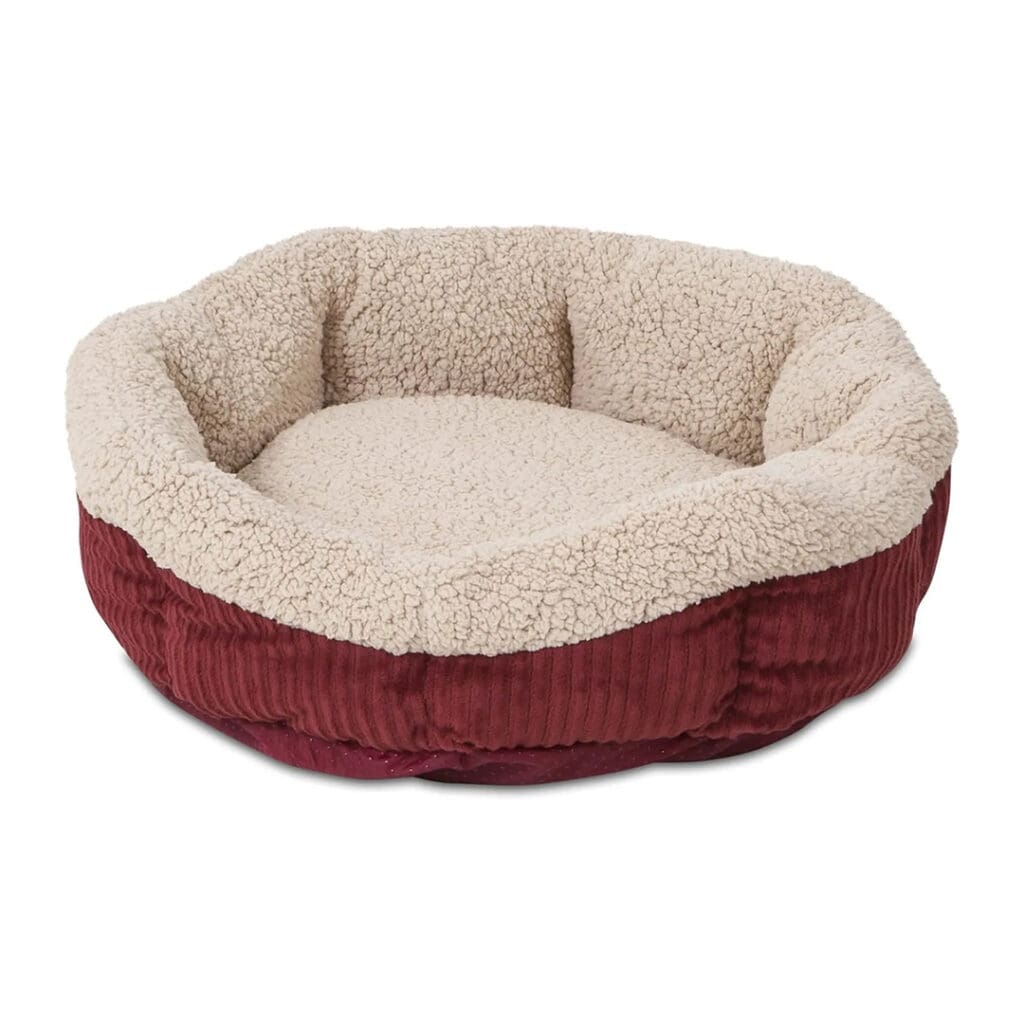
Self‑warming beds use a reflective core; often a Mylar‑type or foil‑like layer, to bounce your cat’s own body heat back towards them, with insulating fill that traps that warm air so the surface feels “warm, not hot” rather than like a radiator.
For most senior and short‑haired cats in typical UK homes, James starts with these Self-Warming Cat Beds or other Self-Heating Cat Beds for Winter, and only moves to powered Heated Cat Beds for Indoor Cats when the house itself is very cold. Plug‑in beds use low‑wattage elements and thermostats, but they do need more supervision and careful placement.
Common myths I hear about warm beds
In James’s experience, three myths cause the most confusion: “If it feels hot to my hand, it must be better for my cat”, “Short‑haired cats always need a heated bed”, and “If a bed says ‘thermal’, it must be safe anywhere”. In reality, cats regulate their temperature by moving, so warm beds should be inviting options they can choose, not the only place to sleep, and he is especially cautious with very young, elderly or unwell cats that may overheat more easily.
Once you understand that these beds are designed to feel gently warm rather than hot, it becomes much easier to scan Self-Warming Cat Beds and Self-Heating Cat Beds for Winter without second‑guessing every label, and to focus instead on which designs genuinely suit your cat’s age, coat and sleeping style.

Give Your Cat the Comfort They Deserve
Every cat deserves a peaceful place to relax. Browse our collection of soft, enclosed cat beds designed to help your feline feel secure, warm, and comfortable throughout the day.
How I choose the right self-warming bed for a cat and home
In practice, I run through the same four checks before I sign off on Self-Warming Cat Beds for a client’s cat.
- First is size and shape: I match the bed to how they actually sleep; tightly curled in corners or stretched along the back of the sofa, and to their favourite current nap spots.
- Second is the reflective layer and padding: I look for a clear mention of a reflective or thermal layer and enough cushioning that you can’t easily feel the floor through it.
- Third is height and access: low sides for stiff seniors, deeper bolsters only for agile short‑haired adults.
- Finally, I think about fabric and washability: how often you can realistically wash it, plus a non‑slip base for senior stability, so that when you Buy Self-Warming Cat Beds UK or browse Thermal Cat Beds Online, you’re choosing something your cat will actually use and you can easily maintain.
Where I tell owners to put warm beds so cats actually use them
I tell owners to put warm beds where their cat already naps; the end of the sofa, or near but not directly on a radiator, rather than in a random empty corner. Self-Warming Cat Beds and other Self-Heating Cat Beds for Winter should be out of direct draughts and not on wobbly high spots for seniors, and never in suntraps where they might overheat. I like a warm option plus a cooler, flatter alternative nearby so the cat can choose.
Find the Perfect Safe Space for Your Cat
Whether your cat loves to burrow, curl up, or hide away for a quiet nap, we have a bed to match their personality. Discover premium designs made for comfort, security, and everyday relaxation.
When I don’t rely on self-warming beds alone
There are a few situations where I don’t rely on self‑warming beds alone. In very cold homes, for cats with outdoor access in winter, or for extremely frail seniors and underweight cats, a reflective Self-Heating Cat Bed for Winter usually isn’t enough by itself and the whole environment needs attention. In those cases, I layer solutions: a self‑warming bed indoors, sensible home‑heat improvements, and sometimes carefully used Heated Cat Beds for Indoor Cats if your vet agrees they’re appropriate for that cat’s joints and circulation. If your vet is already monitoring your cat’s heart, circulation or weight, I always suggest checking any heated or thermal setup with them first, so you’re not unintentionally adding stress to a body that is already working hard.
James is a certified pet behaviour and environment specialist who has worked with hundreds of owners to match their dogs’ sleep habits, anxiety levels and joint needs to better home setups. He collaborates closely with vets and pet‑product brands to trial different bed designs in multi‑dog and family homes. His advice blends behaviour insight with real‑world product testing, helping you choose beds that your dog will genuinely use and that fit your space and routine.
Stress-Relieving Cat Beds
Create a Calm, Cozy Retreat for Your Cat
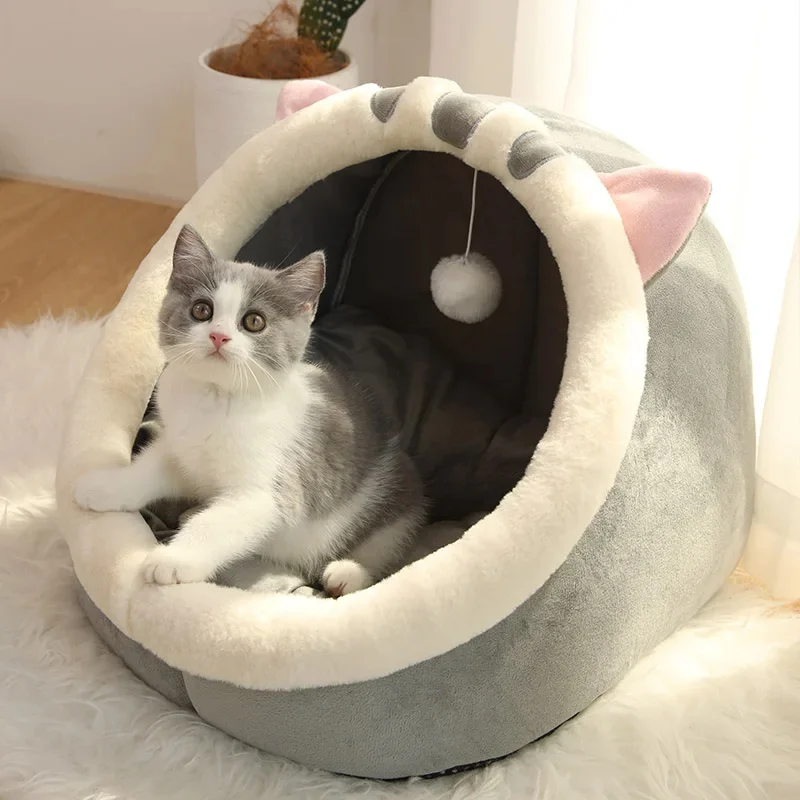
Help your cat feel safe, secure, and relaxed with an enclosed bed designed for comfort. Explore our collection of cozy cave cat beds and find the perfect hideaway for peaceful naps and stress-free lounging.
£43.49 – £59.99Price range: £43.49 through £59.99
£44.99
£41.24
£46.49
Cave Cat Beds
Orthopaedic Cat Beds
Donut Cat Beds
Self-Warming Cat Beds
Luxury Cat Beds
Calming Dog Beds
Cooling Dog Beds
Eco-Friendly Dog Beds
Luxury Dog Beds
Orthopaedic Dog Beds