Expert opinion· Dog Comfort
Vet-Approved Tips: How Calming Beds Support Better Rest for Anxious Dogs
Dog that will not switch off at night, paces during every storm and spends half the evening glued to your front door or your bed? This is exactly when people ask if Calming Dog Beds are a genuine tool for anxiety, or just clever marketing.
Pet Experts’ ViewDiscover how elevated, ergonomic designs actively reduce feline anxiety and improve sleep.
Pet behaviour specialist James Carter uses them as part of wider plans for worried, restless dogs, not as a magic fix. In this guide, he explains when Calming Dog Beds for Anxiety and the so‑called Best Anti-Anxiety Dog Bed can genuinely support deeper, safer rest, when they are the wrong focus, and how to choose and place one so it actually helps your dog breathe out instead of bracing for the next scare.
In this guide, he shows when Luxury Cat Beds and Premium Luxury Cat Beds are a genuine welfare upgrade, and how to match style, height and support to your cat’s age, confidence and favourite sleeping spots so they actually choose to use them instead of your furniture.
How James decides if a calming bed is actually worth trying
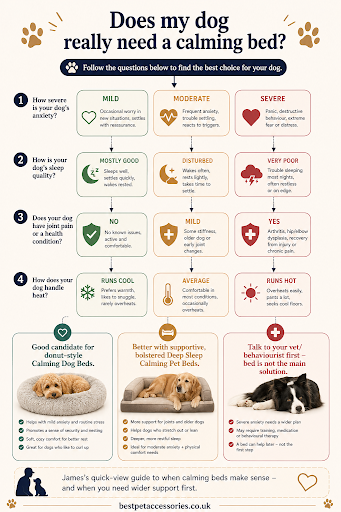
Before I recommend a calming bed, I look at your dog’s anxiety pattern, health and sleep, not the fluff on the label.
I ask three things first:
What kind of anxiety is this?
- Mild/general worry, noise sensitivity or over‑alertness can suit Calming Dog Beds for Anxiety.
- Severe separation anxiety, panic, aggression or sudden behaviour change need vet or behaviourist help first; the bed is only a support tool, never the treatment.
How well does your dog actually sleep?
- Good candidates: dogs that eventually relax but pace, struggle to switch off or only doze in doorways and high‑alert spots.
- If they already sleep deeply next to you and panic only when left, environment and training come first.
What is their body dealing with?
- Seniors, stiff dogs and those in pain may benefit from Deep Sleep Calming Pet Beds with real structure and support, not just more fluff.
For me, Calming Dog Beds are worth trying for mild to moderate anxiety and disturbed rest where the environment is part of the problem. For severe anxiety or suspected pain, the priority is a clinical plan; the bed comes in later to make that plan easier to live with and rest in.
What most owners get wrong about calming beds
From James’s perspective, most disappointments with “calming” beds come from expecting them to fix the wrong problem.
The biggest mistakes:
- Treating the “Best Anti-Anxiety Dog Bed” as a cure, instead of one comfort tool inside a training and vet‑led plan.
- Choosing on looks only; ultra‑fluffy, too small, too hot, for dogs that overheat easily or already struggle with their joints.
- Putting the new bed in the busiest, noisiest spot in the house, then wondering why the dog will not relax there.
A Calming Dog Bed should make it easier for an anxious dog to relax: the right shape, depth and location for their body and their nerves. Fluffy Calming Beds for Dogs that fight their temperature, mobility or environment are not calming; they are just pretty obstacles.
How calming beds can support better rest (not cure anxiety)
Calming beds change how a dog feels while they rest; they do not cure anxiety. Nest‑like shapes and high bolsters give gentle contact around the body and block some sights and sounds, which can create a den‑like feeling that helps certain dogs switch off more easily and sleep for longer stretches.
The ones that make a real difference usually combine that shape with a proper, supportive base so sore or older dogs can lie comfortably and stand up without fighting a sagging cushion. There is limited formal research; most of what we know comes from owners, vets and behaviourists, so Calming Dog Beds for Anxiety should support behaviour and medical plans, not replace them.
Once you treat a calming bed as a rest tool rather than a cure, it becomes much easier to compare the Best Anti-Anxiety Dog Bed or other Deep Sleep Calming Pet Beds by how well they match your dog.
When I don’t recommend the fluffy donut option
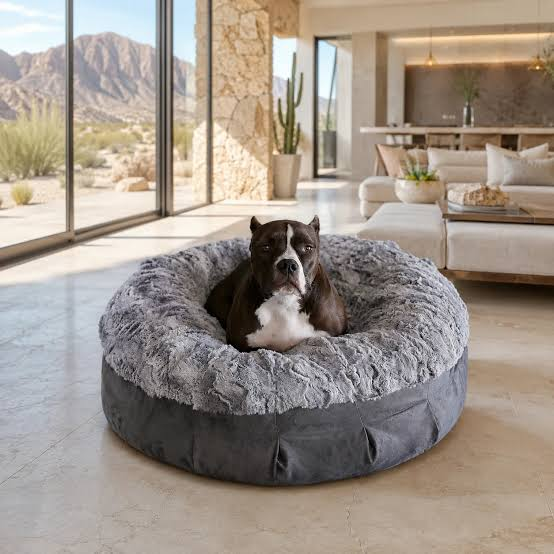
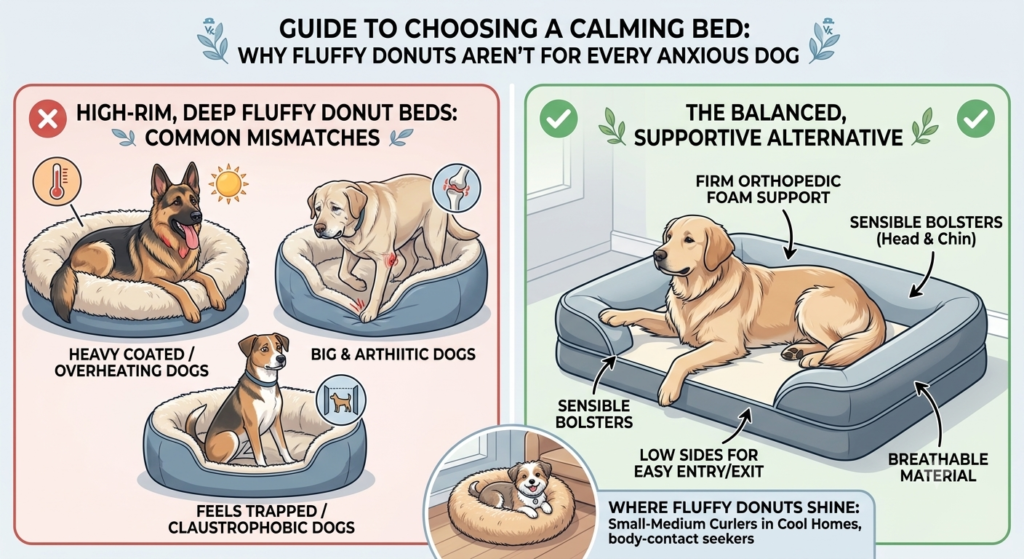
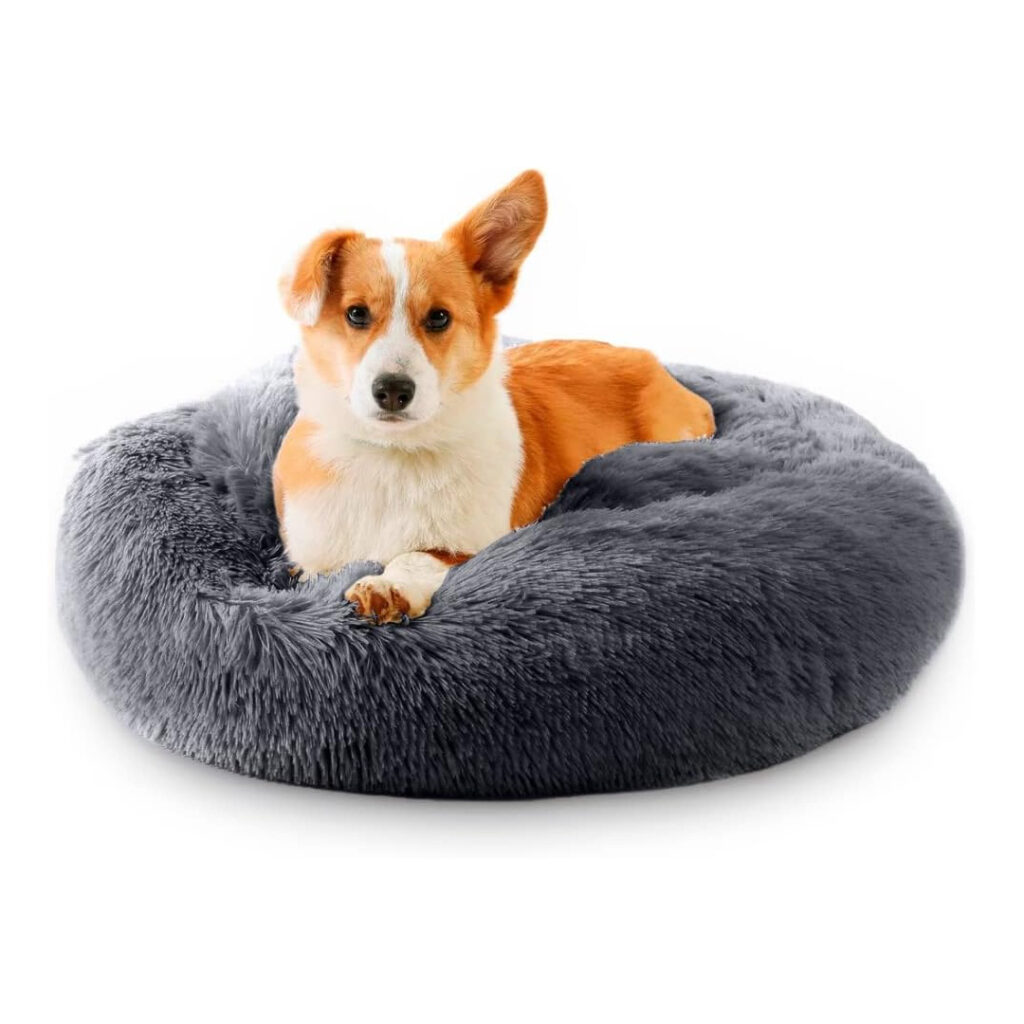
I do not recommend the fluffiest donut in the shop for every anxious dog, even when it looks incredibly cosy. High‑rim, deep Fluffy Calming Beds for Dogs are usually the wrong first choice in very warm homes or for heavy‑coated dogs that already overheat, for big or arthritic dogs that struggle to step over high sides or sink too deeply, and for dogs that dislike feeling “trapped” or already avoid enclosed spaces.
Where fluffy donuts shine is narrower than the marketing suggests: small to medium curlers in cool to moderate homes who actively seek body contact and like tucking themselves into corners. For everyone else, the “Best Anti-Anxiety Dog Bed” tends to be a more balanced mix of support, sensible bolsters and good placement; the kind of bed you can confidently buy online without it fighting your dog’s body or their nerves.
Give Your Cat the Comfort They Deserve
Every cat deserves a peaceful place to relax. Browse our collection of soft, enclosed cat beds designed to help your feline feel secure, warm, and comfortable throughout the day.
How I choose the right calming bed for a dog and home
In practice, I run through the same checks before I tell someone a calming bed is the right move for their dog.
1. Watch how they sleep now
- Curled tight or sprawled long.
- On cool hard floors or on sofas/beds.
- Parked in doorways or tucked into corners.
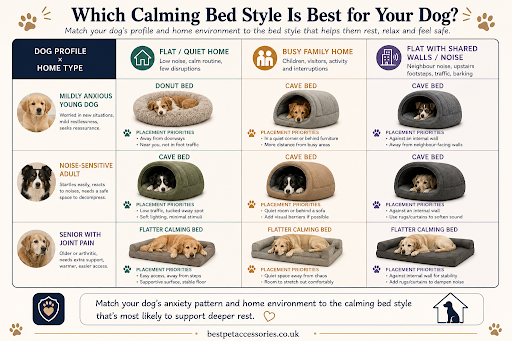
2. Match style to behaviour and anxiety
- Curlers that like contact and a head‑rest → donut/bolster Calming Dog Beds.
- Noise‑sensitive or easily startled dogs → cave/hooded styles that block some sights and sounds.
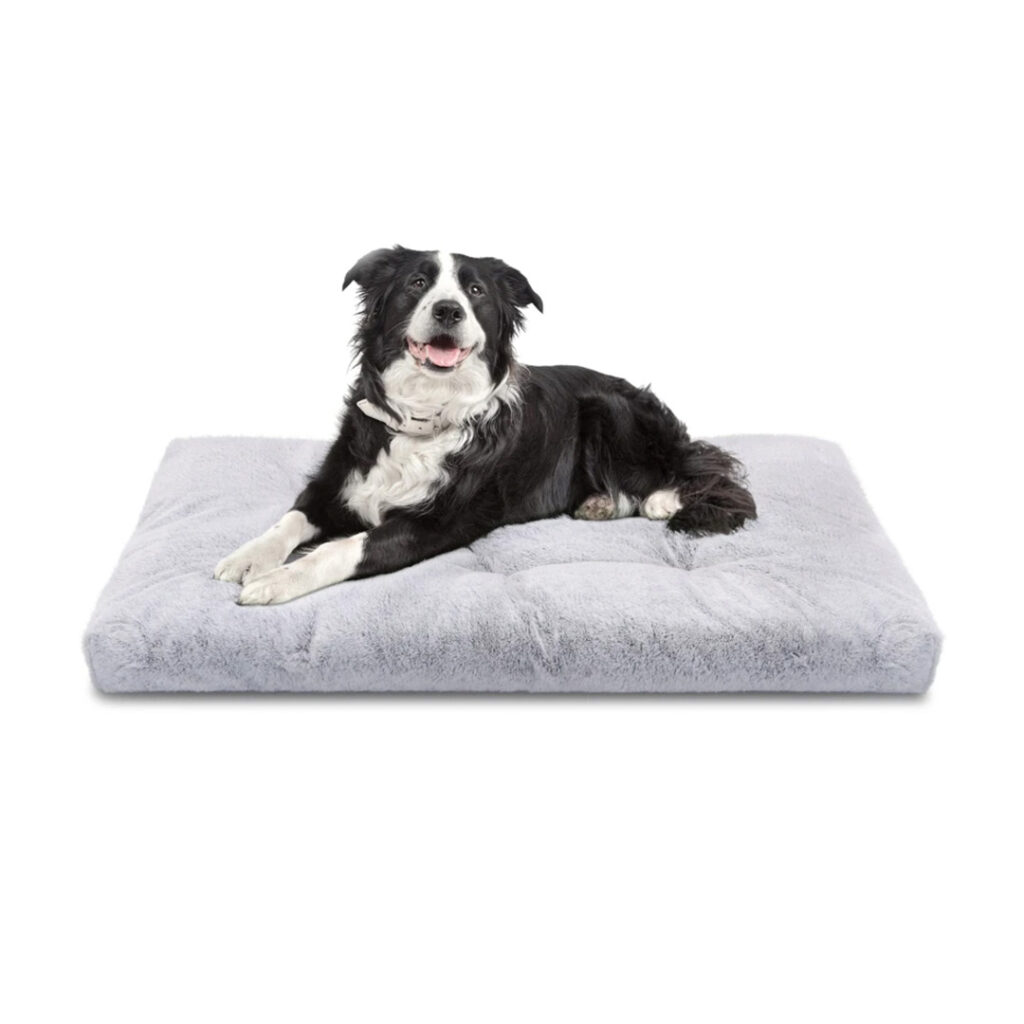
- Big, hot or arthritic dogs → flatter but bolstered Deep Sleep Calming Pet Beds with easy entry and real support.
3. Check support and size before fluff
- Enough room to stretch.
- Supportive base that does not collapse.
- Bolsters firm enough to lean on without disappearing.
4. Think about where it will live
- Away from doorways and main draughts.
- Close enough to you for comfort, but not in the busiest traffic lane.
Once you have sleep style, anxiety pattern, support and placement clear, browsing Best Anti-Anxiety Dog Bed lists or planning to Buy Soothing Dog Beds Online is far easier, because you know exactly what you are looking for, not just what looks cosy.
How I judge if a calming bed is helping
For me, a calming bed is only “working” if it changes how your dog actually rests.
Signs it is helping:
- They choose the bed themselves during or after worrying moments.
- They settle faster, fidget less and sleep more deeply.
- They use the bed in different contexts; quiet evenings, visitors, mild noises.
Signs you need more help:
- Ongoing pacing, whining, panting, or refusal to use the bed when anxious.
- New avoidance of the bed, or anxiety that is getting worse over time.
If a bed does not change how your dog rests after a few weeks of kind introduction, it is time to talk about training and vet checks, not just try another “Best Anti-Anxiety Dog Bed” and hope for the best.
Find the Perfect Safe Space for Your Cat
Whether your cat loves to burrow, curl up, or hide away for a quiet nap, we have a bed to match their personality. Discover premium designs made for comfort, security, and everyday relaxation.
When a calming bed is not the solution
There are clear situations where a calming bed is not the answer. Severe separation anxiety, aggression, sudden changes in behaviour, or dogs that are hurting themselves will not be solved with Calming Dog Beds or any of the Best Anti-Anxiety Dog Bed alone; those cases need a vet and, often, a qualified behaviourist to lead the plan. Dogs with pain, neurological issues or hormonal problems also need clinical assessment first, because no bed can compensate for untreated medical causes behind their distress.
James’s rule of thumb is simple: if your dog has suddenly changed where or how they sleep, speak to your vet before investing in any calming bed, because their body may be telling you something urgent.
In these situations, Calming Dog Beds for Anxiety are best thought of as a comfort layer that sits on top of proper medical and behavioural work, not as a shortcut around it.
Now, if you’re ready to move past hoping they’ll finally settle, match your dog’s body, worries and favourite nap spots to the right Calming Dog Beds or Deep Sleep Calming Pet Beds, so their new safe place truly helps them breathe out instead of bracing for the next scare.

James is a certified pet behaviour and environment specialist who has worked with hundreds of owners to match their dogs’ sleep habits, anxiety levels and joint needs to better home setups. He collaborates closely with vets and pet‑product brands to trial different bed designs in multi‑dog and family homes. His advice blends behaviour insight with real‑world product testing, helping you choose beds that your dog will genuinely use and that fit your space and routine.
Stress-Relieving Cat Beds
Create a Calm, Cozy Retreat for Your Cat
Help your cat feel safe, secure, and relaxed with an enclosed bed designed for comfort. Explore our collection of cozy cave cat beds and find the perfect hideaway for peaceful naps and stress-free lounging.
£48.74 – £64.49Price range: £48.74 through £64.49
£47.24 – £67.49Price range: £47.24 through £67.49
£52.49 – £69.74Price range: £52.49 through £69.74
£41.24 – £67.49Price range: £41.24 through £67.49
Cave Cat Beds
Orthopaedic Cat Beds
Donut Cat Beds
Self-Warming Cat Beds
Luxury Cat Beds
Calming Dog Beds
Cooling Dog Beds
Eco-Friendly Dog Beds
Luxury Dog Beds
Orthopaedic Dog Beds